Owning Your Mistakes in Business: What a Broken Automation Taught Me About Trust
Brand Strategy, Authentic Marketing, Business Leadership
The Day I Found Out People Had Paid Me and Got Nothing
Let me tell you about the moment my stomach dropped.
I'd created a low-cost lead magnet. Simple, helpful, an easy first step for people who wanted to get to know me. I set everything up, tested it (or so I thought), and sat back as people started signing up.
It worked. People were buying. I felt great. Three weeks went by.
And then, completely out of the blue, I stumbled across a mistake. I'd forgotten one crucial step in my automation. ONE. And that one missing step meant people had paid for my product and never received it.
Let that sink in. People had handed over their money, and I hadn't delivered a thing.
And here's the part that really got me: no one told me.
Why nobody said anything
Not one person emailed. Not one person messaged to say, "Hey, I haven't got my download."
Maybe they assumed it was a glitch. Maybe they thought it was them. Maybe they just quietly decided I was another business that doesn't follow through. That's the part that stung most, because silence from a customer isn't a sign everything is fine. Often it's the sign they've already given up on you.
For three weeks, my brand had been saying "I don't care" to people, and I didn't even know it.
What I did next
I didn't spend days drafting the perfect response. I didn't quietly patch the automation and hope no one noticed. I fixed it and told people straight away.
I sent an email, owned the mistake, apologised properly, and made sure everyone received what they'd paid for. No spin and no hiding behind "technical issues". Just: I got this wrong, it's on me, and here's how I'm making it right.
It wasn't a polished email. It was a human one. And honestly? That's the one I'm proudest of sending.
Owning a mistake is where trust actually gets built
Here's what I've learned. People don't expect you to be perfect. They expect you to be honest, especially when things go wrong.
We've been sold this idea that "real professionals" don't make visible mistakes. Flawless funnels, seamless launches, systems that run themselves. But anyone who's built a business knows that's a fantasy. Automations break. Steps get missed. We're human. (Hello, me.)
When you pretend everything's fine, you widen the gap between the brand you show and the experience people are actually having. That gap is where distrust grows.
When you own it, you close the gap. You show people that their experience matters more than your ego.
If your workflow stuffs up, try this
When something goes wrong in your business, here's the pattern I'd follow every time:
Say what happened. Plain language. "I missed a step in my automation and you didn't receive your product" beats "we experienced a technical disruption" any day.
Own it. Even if a tool failed, you chose the tool. "That's on me" goes a long way.
Fix it fast. Deliver what was promised before you spend time explaining why it went wrong.
Apologise like you mean it. A real, warm, no-excuses sorry.
Close the loop. Tell people when it's sorted so the last thing they remember isn't the mistake.
It wasn't a polished email. It was a human one.
Don't wait for people to tell you
This one's for every business owner with a lead magnet, a freebie, a booking form or a checkout page running quietly in the background.
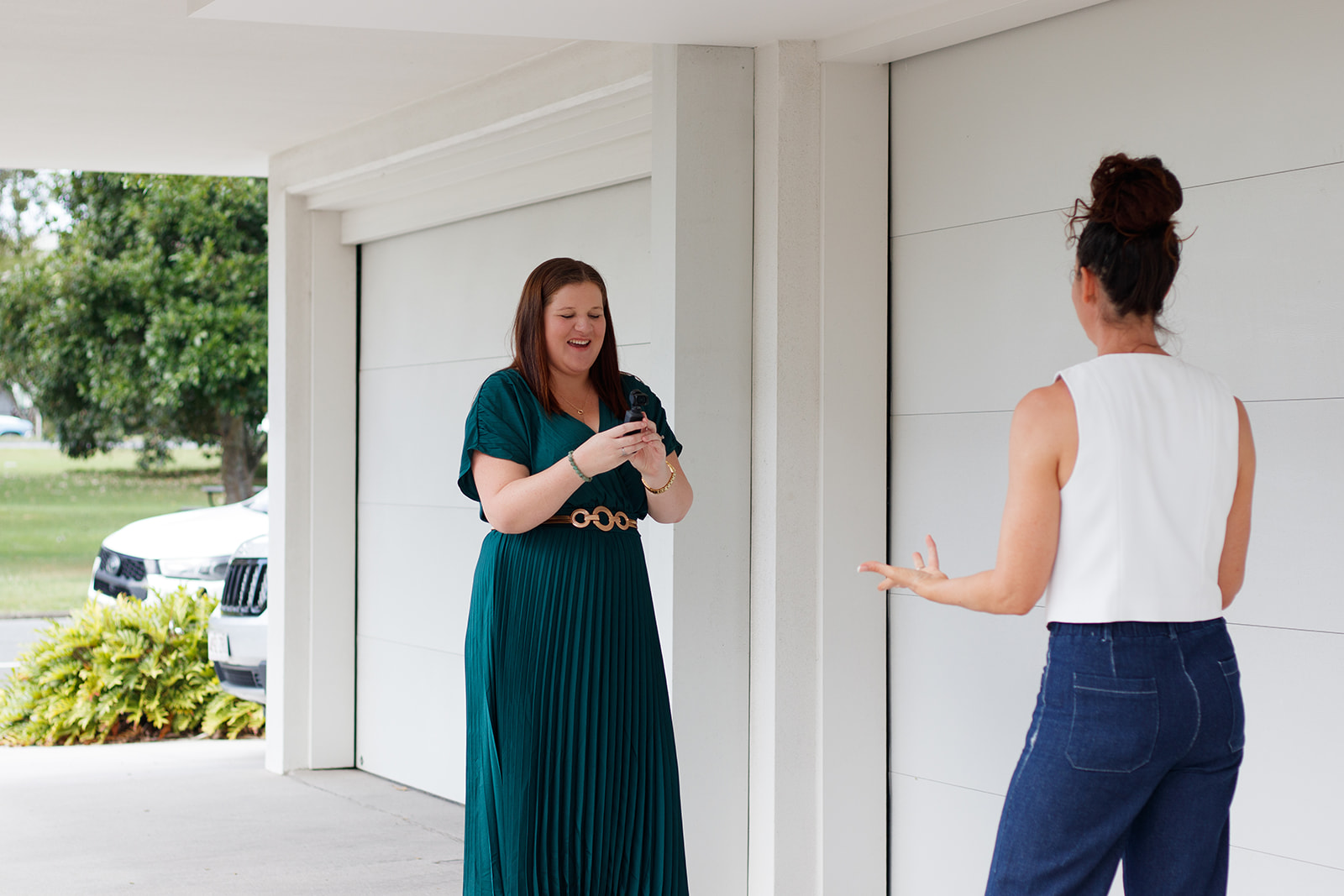
Test your own automations. Buy your own product. Sign up to your own list. Do it regularly, not just at launch. Because if I'd waited for a customer to flag my mistake, I'd still be waiting.
Visibility isn't performance. It's connection.
I used to think showing up meant looking polished. Now I think it means being the kind of business people can trust when things don't go to plan.
My automation broke. My brand didn't, because I told the truth about it.
You don't need to be perfect. You need to be honest, and willing to say, "I stuffed up, here's how I'm fixing it."
There's gold in that. 💚